Small Glimpses of Joy: Finding Presence Amid Loss

Small Glimpses of Joy: Finding Presence Amid Loss
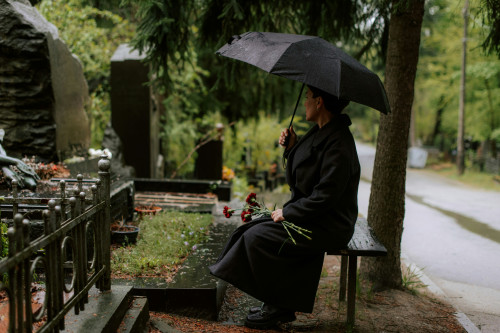
When life is touched by loss – whether it’s the death of someone you love, the end of a relationship, or the fading of a dream – the world can feel muted and heavy. Grief can fill every corner, and the idea of joy may seem distant or even impossible. Yet, even in the darkest moments, there are small glimpses of light – moments of calm, connection, and presence that can gently guide you towards a new way of being. This article explores how to notice and nurture those moments, not by denying grief, but by allowing sorrow and joy to coexist.
When Grief Becomes Overwhelming
Grief is a natural response to loss. It can appear as sadness, anger, guilt, or emptiness – often all at once. Many people describe feeling as though time has stopped, while the rest of the world carries on.
It’s important to remember that grief doesn’t follow a schedule. There is no right or wrong way to grieve. Some days you may feel steady and clear, while others bring tears and longing. Accepting this ebb and flow is part of the healing process.
Læs også:

The Small Moments That Matter
In the midst of grief, the idea of joy can feel almost offensive. But joy, in this context, isn’t about happiness – it’s about feeling alive. It might be a quiet walk in the park, a cup of tea shared with a friend, the sound of birds in the morning, or the warmth of sunlight through the window.
These small glimpses are not a betrayal of the person or dream you’ve lost. They are reminders that you are still here. They offer brief pauses in the heaviness of grief and whisper that life continues – not as it was, but in a new form.
Try to notice when you feel a moment of ease or warmth. It might last only a breath, but it’s worth acknowledging. Over time, these moments can grow longer and more frequent.
Finding Presence in What Is
When grief takes hold, the mind often drifts – to the past, to what might have been, or to fears about the future. Presence is about gently returning to the now, to what is actually here.
You can practise presence through small rituals: lighting a candle, writing in a journal, walking without your phone, or simply sitting quietly and breathing deeply. The aim isn’t to erase grief, but to create a space where you can be with it without being consumed.
For many in the UK, nature offers a particular kind of solace. The sound of rain on leaves, the rhythm of waves along the coast, or the sight of a robin in winter can bring a sense of calm and connection – as if the world is holding you for a moment.
When Joy Brings Guilt
It’s common to feel guilty when you begin to experience joy again. You might worry that smiling or laughing means you’re forgetting or moving on too quickly. But joy and sorrow are not opposites. In fact, joy can be a way of honouring what you’ve lost – by continuing to live with love rather than only with pain.
Allow yourself to feel both. Grief shows how deeply you have loved, and joy shows that love still lives within you.
Reaching Out – and Letting Others In
Grief can feel isolating, but you don’t have to carry it alone. Sharing your thoughts with someone who listens without judgement – a friend, a family member, or a counsellor – can bring relief. Many people find comfort in bereavement groups, where others truly understand what it feels like.
Reaching out takes courage, but it can open the door to new connections and a sense of community amid loss. It’s equally important to let others reach in – to accept care, even when you feel you have nothing to give in return.
A Life with Both Grief and Joy
Finding presence amid loss isn’t about “moving on” or forgetting. It’s about learning to live with grief as part of you, but not all of you. Over time, grief may soften. It may become quieter, and in its shadow, new forms of joy can take root.
Those small glimpses of joy are not random. They are signs that life is still moving, and that you are still capable of feeling it. And perhaps that is where healing begins – in the quiet moments when you realise that you can still love, still breathe, and still be.
Læs også: