Emotions and Expectations: How Culture Shapes Women’s Ways of Coping with Grief

Emotions and Expectations: How Culture Shapes Women’s Ways of Coping with Grief
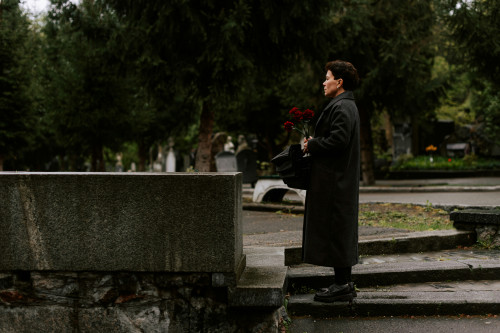
Grief is a universal human experience – yet the ways we express and process it vary widely across cultures. For women, cultural norms, traditions, and social expectations often play a decisive role in how sorrow is allowed to surface. In some societies, women are encouraged to be strong and nurturing; in others, they are expected to express their emotions openly. These differences reveal how culture shapes both feelings and identity.
When Grief Becomes a Shared Experience
In many cultures, women’s grief is not only a personal matter but a collective one. In parts of the Middle East, Africa, and South Asia, women may gather to mourn together – through song, lament, or ritual expressions of sorrow. Here, grief becomes a communal act, where shared emotion helps the individual carry the weight of loss.
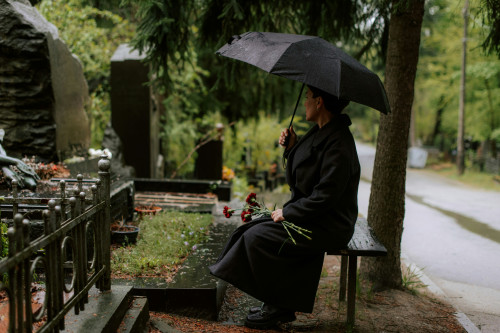
In the UK and other Western societies, grief is often treated as a private affair. Women may feel pressure to “move on” or “stay strong for the family.” This can make it harder to find space for the deep emotions that loss brings. Many women describe how others’ patience with their grief fades long before their own pain does.
Cultural Expectations and Women’s Roles
Cultural ideas about gender strongly influence how women cope with grief. In many societies, femininity is associated with care, stability, and emotional strength. This means that women often take responsibility for holding families together, even when they themselves are in crisis.
A mother who loses a child may feel she must comfort others, even while she is broken inside. A widow may sense that people expect her to return quickly to normal life. These expectations can create an inner conflict between what she feels and what she believes she should feel.
Rituals as a Framework for Grief
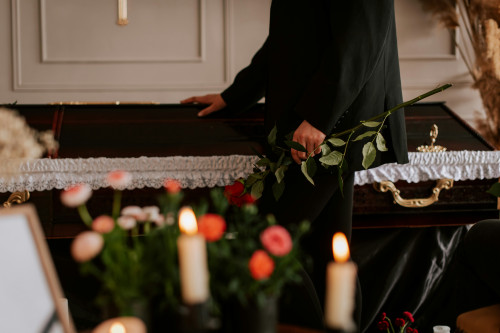
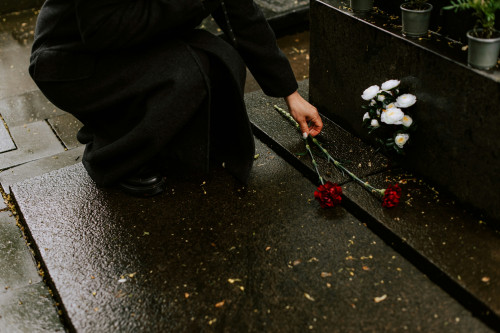
Rituals play a vital role in many cultures, offering structure to the chaos that grief brings. For women, these rituals can be both supportive and restrictive. In some traditions, mourning clothes, periods of seclusion, or specific ceremonies mark the beginning and end of grief. Such practices can provide a sense of order and meaning.
Yet rituals can also confine women to certain roles. If a culture dictates that a woman must grieve in a particular way – for instance, by withdrawing from social life – it may prevent her from finding her own path through loss. Conversely, in modern British society, where formal mourning rituals are rare, many women struggle to find a natural outlet for their sorrow. Without shared customs, grief can feel both invisible and isolating.
When Modern and Traditional Values Meet
In today’s multicultural Britain, different mourning traditions often coexist. Women who live between cultures may experience conflicting expectations: one culture may encourage open emotional expression, while another values composure and restraint. This tension can lead to confusion or guilt – but it can also open new ways of understanding and expressing grief.
Many women now blend tradition with personal choice. They may attend religious ceremonies while also seeking support through counselling, community groups, or creative outlets such as writing and art. In doing so, grief becomes not only a process of loss but also one of self-discovery and cultural negotiation.
The Power of Community
Across cultures, research consistently shows that connection with others is crucial in coping with grief. Being seen, heard, and understood can ease the sense of isolation that loss brings. In some cultures, this happens through large communal rituals; in others, through quiet conversations with trusted friends.
What matters most is that grief is given space to exist. When women are allowed to express their emotions on their own terms, sorrow becomes not just a burden but a part of life’s rhythm – a place where both love and loss can coexist.
Læs også:
Finding One’s Own Way
There is no single right way to grieve. Culture, faith, and personal experience shape each woman’s journey through loss. Some find comfort in tradition; others in change. What matters is that grief is allowed to be what it is – without shame, without haste, and without the need to fit a prescribed form.
Understanding how culture influences grief can help us meet one another with greater empathy. Beneath all the differences lies the same human truth: love for what we have lost.
Læs også: