The Power of Imagination: Why Free Play Is Crucial for Children’s Development

The Power of Imagination: Why Free Play Is Crucial for Children’s Development
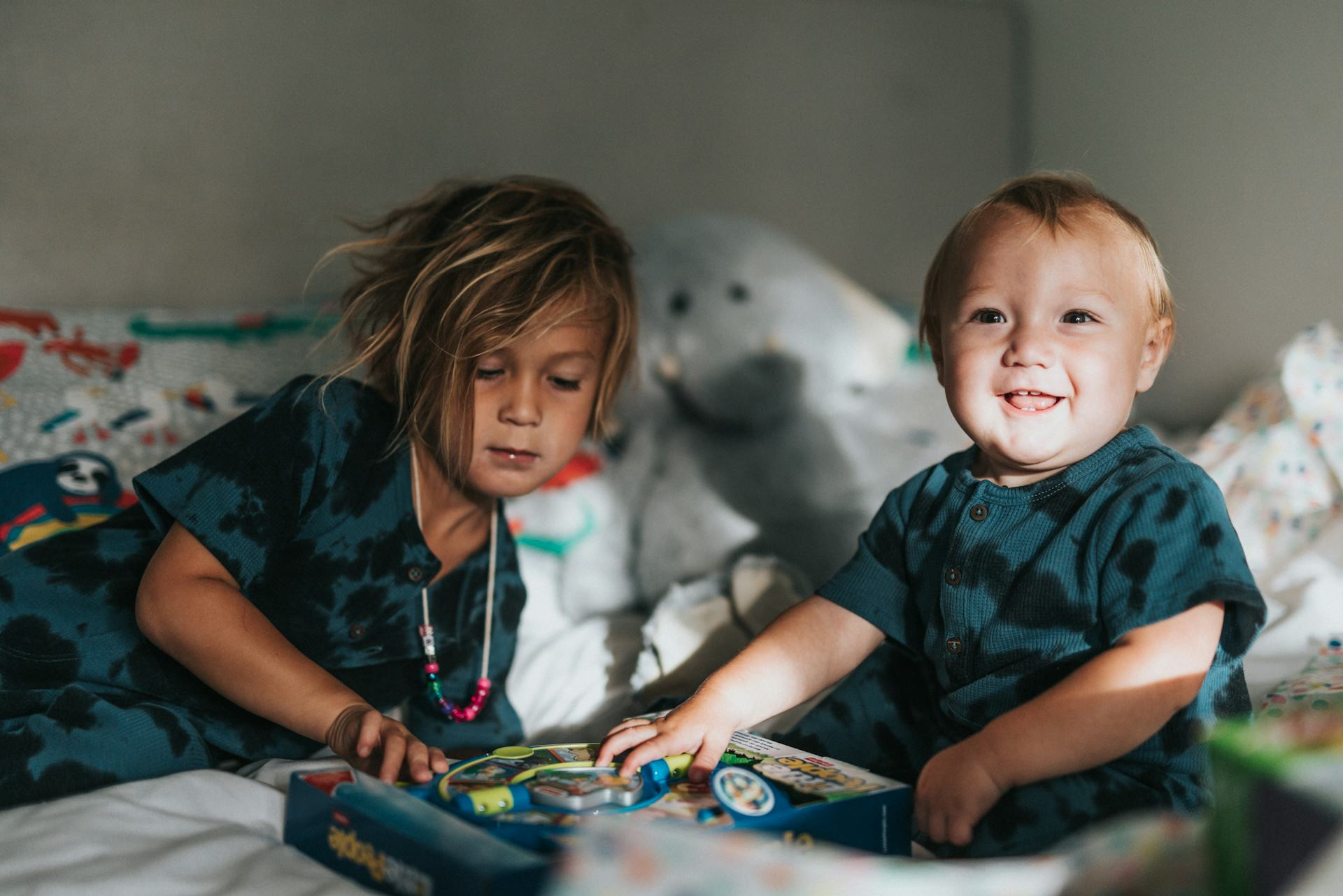
When children play freely, they open the door to a world where anything is possible. A stick becomes a magic wand, a cardboard box turns into a spaceship, and a garden transforms into a jungle. It may look like simple fun, but behind the laughter lies a powerful process of learning and growth. Free play is not just a way to pass the time – it is a vital part of children’s cognitive, social, and emotional development.
Play as the Foundation of Learning
Research consistently shows that children learn best when they are curious, engaged, and self-motivated. Free play gives them the freedom to explore, experiment, and solve problems on their own terms. When a child builds a tower of blocks, they are learning about balance, gravity, and perseverance. When they engage in imaginative role play, they practise communication, empathy, and negotiation.
Unlike structured activities led by adults, free play allows children to take initiative and make decisions. This nurtures independence and confidence – qualities that extend far beyond childhood and into adult life.
Imagination as a Pathway to Creativity and Problem-Solving
Imagination is not something we outgrow; it is a lifelong skill that fuels creativity and innovation. Through play, children exercise their imagination – they invent stories, create rules, and build entire worlds from scratch. This mental flexibility is the same ability adults draw upon when solving complex problems or thinking creatively in the workplace.
Free play acts as a laboratory for creative thinking. There are no right or wrong answers, only possibilities. This freedom encourages children to take risks, make mistakes, and try again – essential ingredients for developing a curious and resilient mindset.
Social Skills Grow Through Interaction
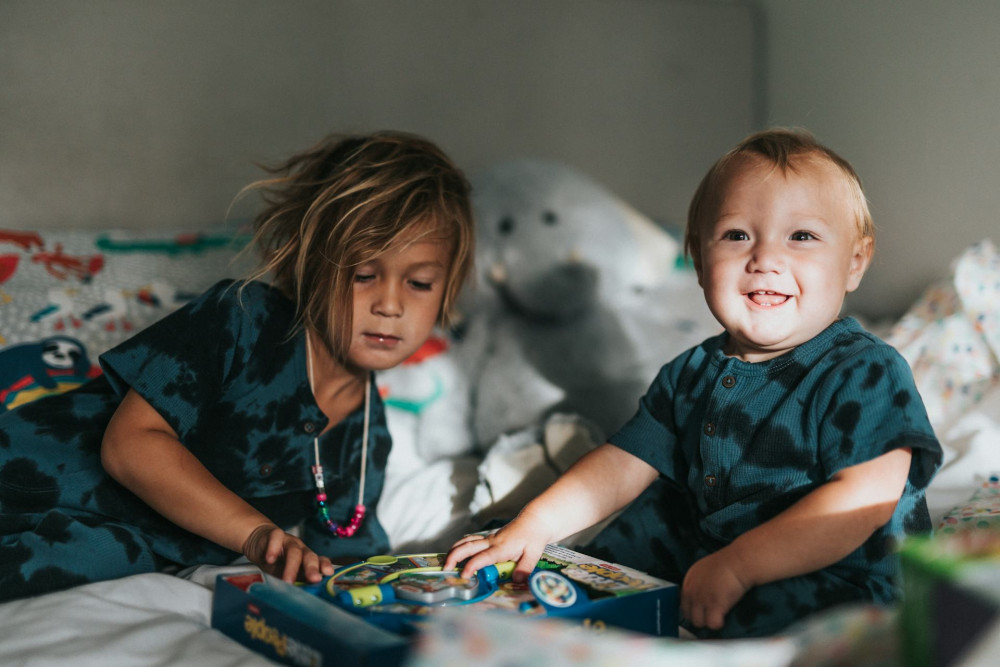
When children play together, they learn how to cooperate, share, and resolve conflicts. They discover how to listen, compromise, and adapt to others’ ideas. In role play, they take on different perspectives – sometimes leading, sometimes following – and in doing so, they develop empathy and social understanding.
These experiences form the foundation of emotional intelligence. Free play is, in many ways, a rehearsal for real life, where children learn how to build relationships and navigate the social world.
The Adult’s Role: Present but Not Controlling
Although free play is driven by children, adults still play an important supporting role. The key is not to direct the play, but to create the conditions in which it can flourish. This might mean providing time, space, and simple materials – and showing genuine interest without taking over.
When adults observe and encourage rather than instruct, they send a powerful message: that the child’s ideas and creativity are valued. This validation strengthens self-belief and fosters a love of exploration and learning.
Læs også:


Making Space for Play in a Busy World
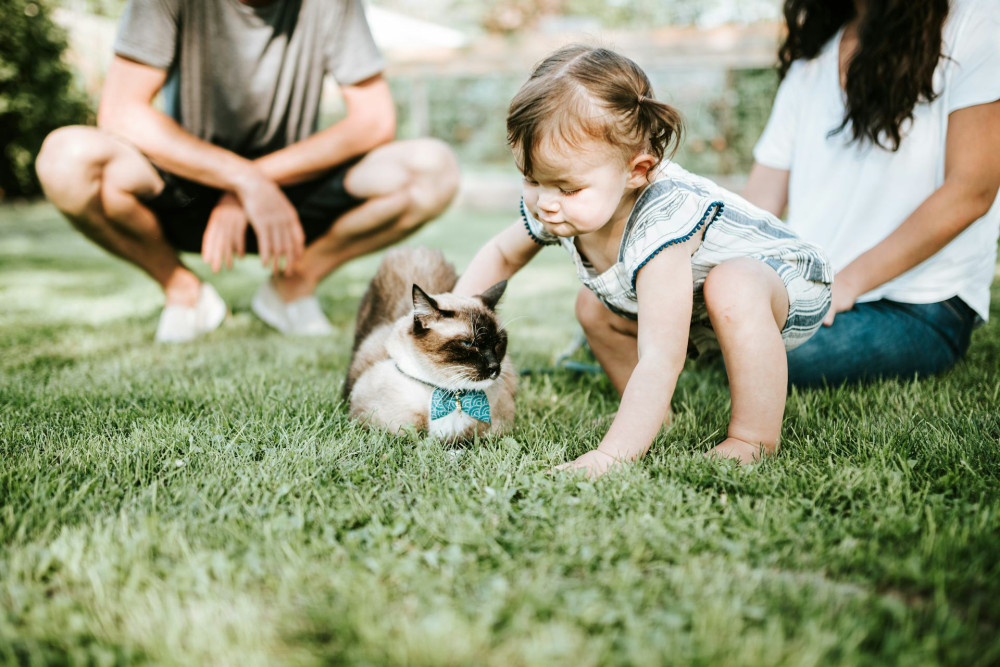
In today’s fast-paced society, many children’s days are filled with schoolwork, clubs, and screen time. Unstructured play can easily fall by the wayside. Yet it is precisely this kind of play that children need most. It doesn’t require elaborate toys or expensive equipment – a park, a patch of grass, or even a rainy afternoon indoors can be enough.
What matters is that children have time to play freely, without goals or adult direction. In those moments, they find joy, calm, and the freedom to grow at their own pace.
An Investment in the Future
Free play is not a luxury; it is an investment in children’s future wellbeing and potential. By giving children the space to imagine, create, and explore, we help them develop the skills they will need to face an ever-changing world – creativity, resilience, and confidence.
Allowing time for free play is not stepping away from learning; it is giving learning its most natural and powerful form.
Læs også: