Eat Local – and Make Your Everyday Life More Sustainable

Eat Local – and Make Your Everyday Life More Sustainable
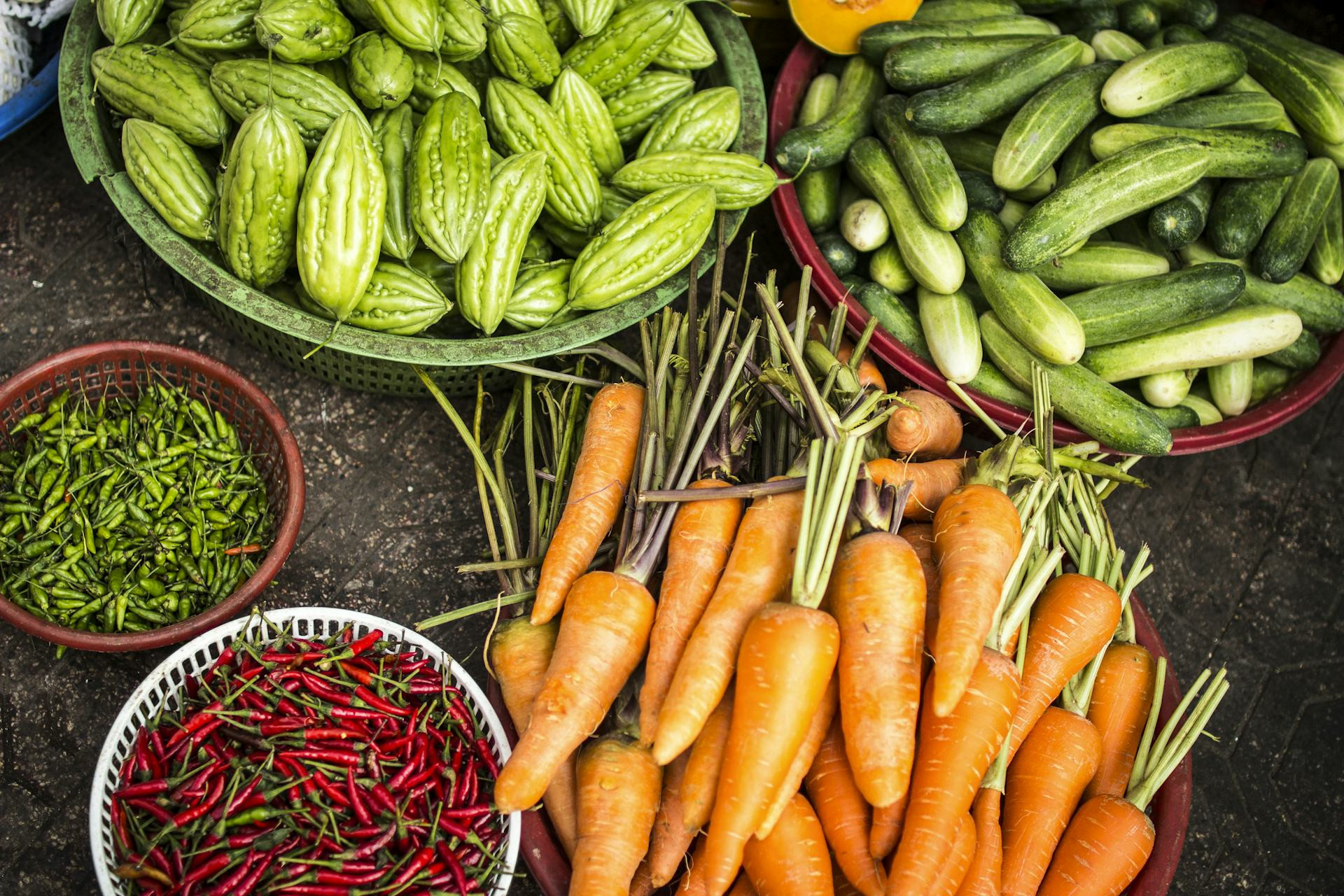
Eating local isn’t just about supporting nearby farmers and producers – it’s also a simple and effective way to make your everyday life more sustainable. By choosing food that’s grown, produced, and processed close to where you live, you reduce transport emissions, cut down on packaging, and enjoy fresher ingredients. Here’s how you can start eating more locally – without it becoming complicated or expensive.
Why Choose Local Food?
Local food usually travels far less than imported goods. That means less energy is used for transport and refrigeration, and the produce is often harvested closer to its natural ripening time, giving it better flavour and higher nutritional value.
When you buy local, you also support small-scale farmers and producers who often use more environmentally friendly methods. This helps maintain local jobs, preserve rural landscapes, and strengthen community ties.
In short: it’s good for the planet, your health, and your local economy.
Læs også:



How to Find Local Produce
You don’t need to live in the countryside to eat locally. There are plenty of ways to find local food – even in the middle of a city.
- Farmers’ markets – many towns and cities across the UK have regular markets where local producers sell fruit, vegetables, cheese, meat, and baked goods directly to customers.
- Farm shops and pick-your-own farms – perfect for a weekend outing. You can buy seasonal produce straight from the source and often discover new varieties.
- Veg box schemes – several companies deliver weekly boxes of local and organic produce to your door, saving you time and effort.
- Supermarkets with local ranges – many chains now highlight products from nearby farms with labels such as “Produced in the UK” or “From local suppliers.” Keep an eye out for these signs.
By combining these options, you can easily make local ingredients a regular part of your meals.
Eat with the Seasons
One of the easiest ways to eat locally is to follow the rhythm of the seasons. When you choose fruit and vegetables that are in season, you get better flavour, lower prices, and avoid produce that’s been flown halfway around the world.
- Spring: asparagus, rhubarb, spinach, and new potatoes.
- Summer: strawberries, peas, tomatoes, and courgettes.
- Autumn: apples, pumpkins, beetroot, and cabbages.
- Winter: carrots, parsnips, leeks, and kale.
Eating seasonally also makes cooking more exciting. You’ll discover new recipes and ingredients that change throughout the year, keeping your meals fresh and varied.
Cook from Scratch – and Use the Whole Ingredient
Local produce often comes in its most natural form, giving you the chance to cook from scratch and avoid unnecessary packaging and additives. Try to use every part of your ingredients – broccoli stalks can be turned into soup, and carrot tops make a great pesto. This reduces food waste and helps you get more value from what you buy.
If you have a surplus of fruit or vegetables, try preserving them by freezing, pickling, or making jams and chutneys. That way, you can enjoy local flavours all year round.
Make It a Habit – Not a Hassle
Eating local shouldn’t feel like a chore. Start small: choose British apples instead of imported ones, buy eggs from a nearby farm, or plan one meal a week around seasonal vegetables. As you get to know local producers and what’s in season, it becomes easier to plan your shopping and cooking.
Many people find that eating locally also brings more joy to their meals – because they know where their food comes from and who’s behind it.
Small Changes, Big Impact
You don’t have to change everything overnight to make a difference. Every time you choose local products, you show that sustainability and quality matter. That can encourage shops and producers to think greener too.
Eating local is a simple but powerful way to care for the environment – while enjoying fresher, tastier food. It’s sustainability you can feel in both your body and your conscience.
Læs også: